
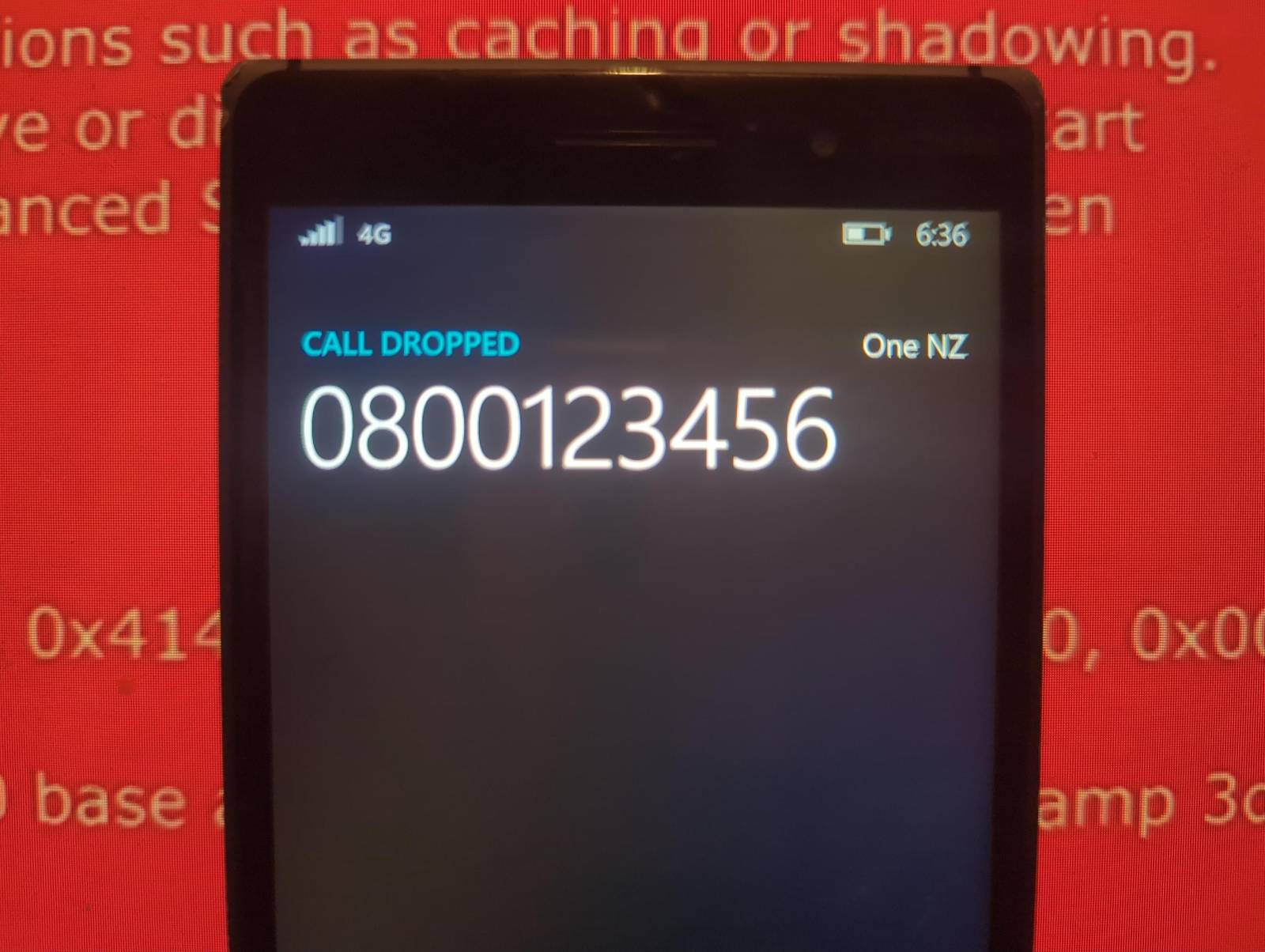
Earlier this year, the Telcos coordinated to shut down their 2G and 3G networks at the same time. Whilst this may seem like relatively minor news to those of us who regularly “upgrade” their phones every 1-3 years, to many Kiwis who can’t afford to do so, however, this is an absolute disaster that has left them vulnerable, completely unable to contact emergency services on their own mobile devices. This especially affects lower-income parents who are already feeling the squeeze after the government effectively banned young adults aged 18 and 19 from accessing critical job seeker benefits.
New Zealand’s 2G and 3G networks enabled parents to buy very old phones for very low prices for their children. These phones allowed parents to stay in contact with their children and enabled their children to contact emergency services when away from their parents. Now with the shut down, many of these phones are no longer fit for this purpose and will be making their way to the bin. Leaving parents having to decide to buy more expensive 4G compatible phones or simply go without the capability to contact their children when separated.
Remember that this doesn’t just affect 3G only phones, this affects plenty of older 4G phones that don’t support 4G calling as some phone manufacturers did not implement the standard until much later on, especially on midrange and budget phones like the Nokia Lumia 830 (pictured). In many other countries where 3G had been shutdown, the 2G network had been left operating due to the very real concern that someone may be unable to contact emergency services on an older device. This is another example of the planned obsolescence that makes perfectly capable devices into laggy, unusable e-waste. Which is central to capitalism, driving shareholder value at the expense of increasing our living costs as we unnecessarily replace our devices.