
Capitalism causes booms and busts. Today it has produced what seems to be the worst economic bust, or crash, since the 1980s and early 1990s. Bosses and the government have responded by cutting spending, laying off tens of thousands of workers, attacking unions, and generally further impoverishing workers – whether you are a paid wage slave or an unpaid beneficiary. At the same time, they are fervently introducing widespread automation, especially through AI, to cut costs and jobs, and avoid possible worker resistance (as machines don’t strike or do quiet quitting).
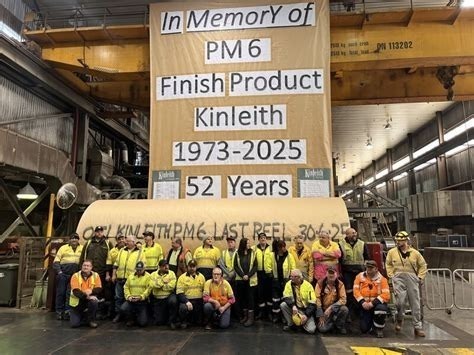
Manufacturing has been particularly hit hard. Those hit hardest have been regions and rural towns where certain industries are the major employer. Since 2024, the list of closures is long: Eves Valley Sawmill near Nelson; the Kinleith pulp and paper mill near Tokoroa; Ravensdown fertiliser works and Gregg’s food processing plant in Dunedin; Smithfield meatworks in Timaru; two timber mills near Ohakune; McCain’s and Watties vegetable processing plants in Hastings; the Oji paper recycling mill in Auckland; and recently the Kaitāia timber mill. Bosses have proposed to close other factories, such as Sealord’s fish plant in Nelson.
Several of these workplaces were significant sites of class conflict in the past. For example, Kinleith mill workers near Tokoroa, who worked at the largest workplace in the country where about 4000 odd at were employed there at Kinleith’s peak, undertook a strike in 1980 where they defeated the government and the then largest corporation in the country.
How do we respond to these threats? Job cuts are difficult to respond to. Unions are less strong today than they were in the 1980s – indeed, manufacturing has largely been de-unionised since then.
But surely we can do better than at present. I think the response from unions today has been weak and easily swept aside. While unions have organised the odd protest and public meeting against layoffs and closures, and produced some bad publicity for bosses, many offer little resistance. Mostly unions just seem to seek to delay cuts through legal means by claiming that bosses have not followed the proper restructuring process.
For instance, a Public Service Association (PSA) leaflet called ‘When your job is at risk: A PSA guide to change management’ just advises workers who might lose their livelihoods to make sure managers follow the correct ‘change management’ process when proposing layoffs, and then write a collective submission during the consultation process to object to the cuts! It just comes across like they are managing or supervising the cuts, and their real strategy is to retreat rather than fight.
Submissions are not going to stop mass sackings. I’d argue that the PSA’s lack of real opposition to slashing about 10,000 government workers’ jobs in the last few years has emboldened the current Tory government to promise 10,000 more public sector job cuts if reelected in the future.
Job cuts can be opposed. They have been successfully opposed here and abroad many times. Direct action is needed to fight for every job, such as through protests, occupations, pickets, strikes, and other forms of collective refusal that actually hurt bosses. Workers and unions need to be brave and willing to fight for their jobs and others’ jobs. What is needed is genuine and lengthy grassroots and flaxroots campaigns between unions and community groups to stop cuts and the massive damage they do to workers, whānau, and communities alike.